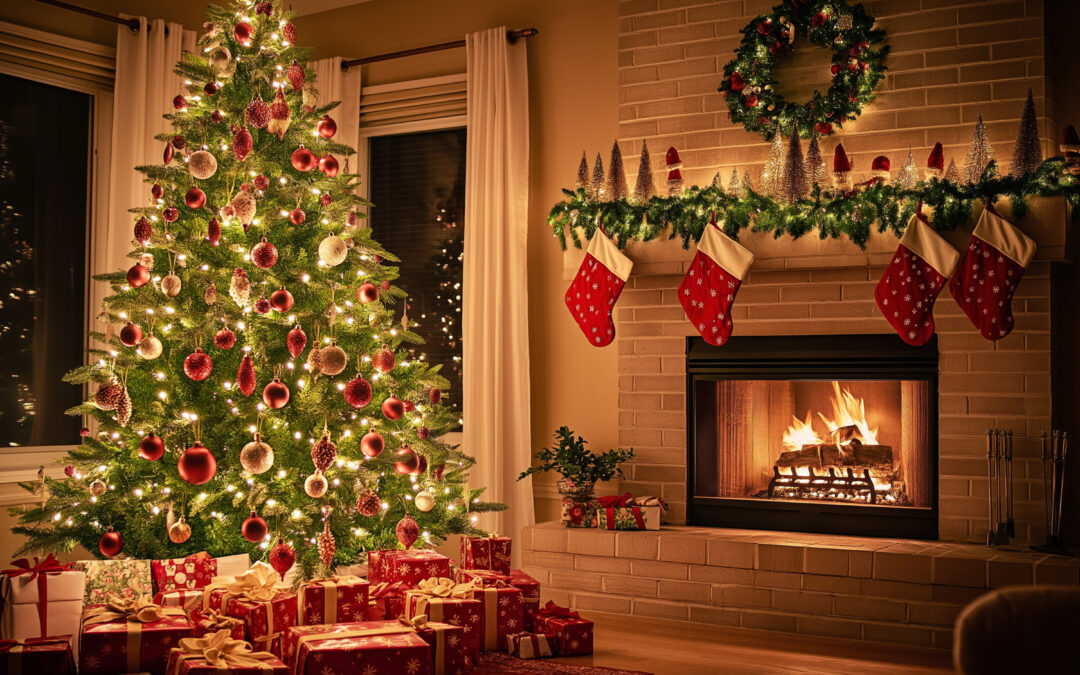
As the frosty grip of December tightens in Kansas City, there’s nothing quite like gathering around a warm fireplace to chase away the chill. But what if that comforting glow hides a hidden danger? For many homeowners, mid-winter is when chimney systems are pushed to their limits, and issues like chimney liner deterioration can emerge unexpectedly. Imagine lighting a fire during one of those biting cold snaps in December 2025, only to notice smoke lingering in the room or an unusual musty smell. These could be telltale signs of a deteriorating liner, a problem that affects thousands of homes in our area each year.
At Full Service Chimney, we see this scenario play out often, especially in older neighborhoods like Brookside or Waldo, where chimneys have weathered decades of Kansas City’s harsh winters. Chimney liner deterioration isn’t just an inconvenience—it’s a safety concern that can lead to carbon monoxide leaks, structural damage, or even chimney fires if left unaddressed. As a homeowner, understanding the role of your chimney liner and spotting early warning signs can make all the difference in keeping your family safe and your home efficient during peak heating season.
What is a Chimney Liner and Why Does It Matter?
Let’s start with the basics: A chimney liner is the protective inner layer of your chimney, designed to safely guide smoke, gases, and heat from your fireplace or stove up and out of your home. Think of it as the chimney’s “highway” for combustion byproducts, ensuring they don’t seep into your living spaces or damage the surrounding masonry. There are several types of liners commonly used in Kansas City homes, including traditional clay tile liners, which are durable but prone to cracking over time; stainless steel chimney liners, favored for their flexibility and resistance to corrosion; and cast-in-place liners, which are molded directly into the chimney for a seamless fit.
Why should homeowners care about this component? For starters, a well-maintained liner is essential for safety. It contains harmful gases like carbon monoxide, preventing them from entering your home—a critical function during mid-winter when fireplaces are in constant use. Without a proper liner, these gases could build up, leading to health risks that no family wants to face. Efficiency is another big reason: An intact liner improves draft, allowing your fire to burn more cleanly and effectively. This means less fuel waste, reduced creosote buildup (that sticky, flammable residue from burning wood), and better heat distribution throughout your home.
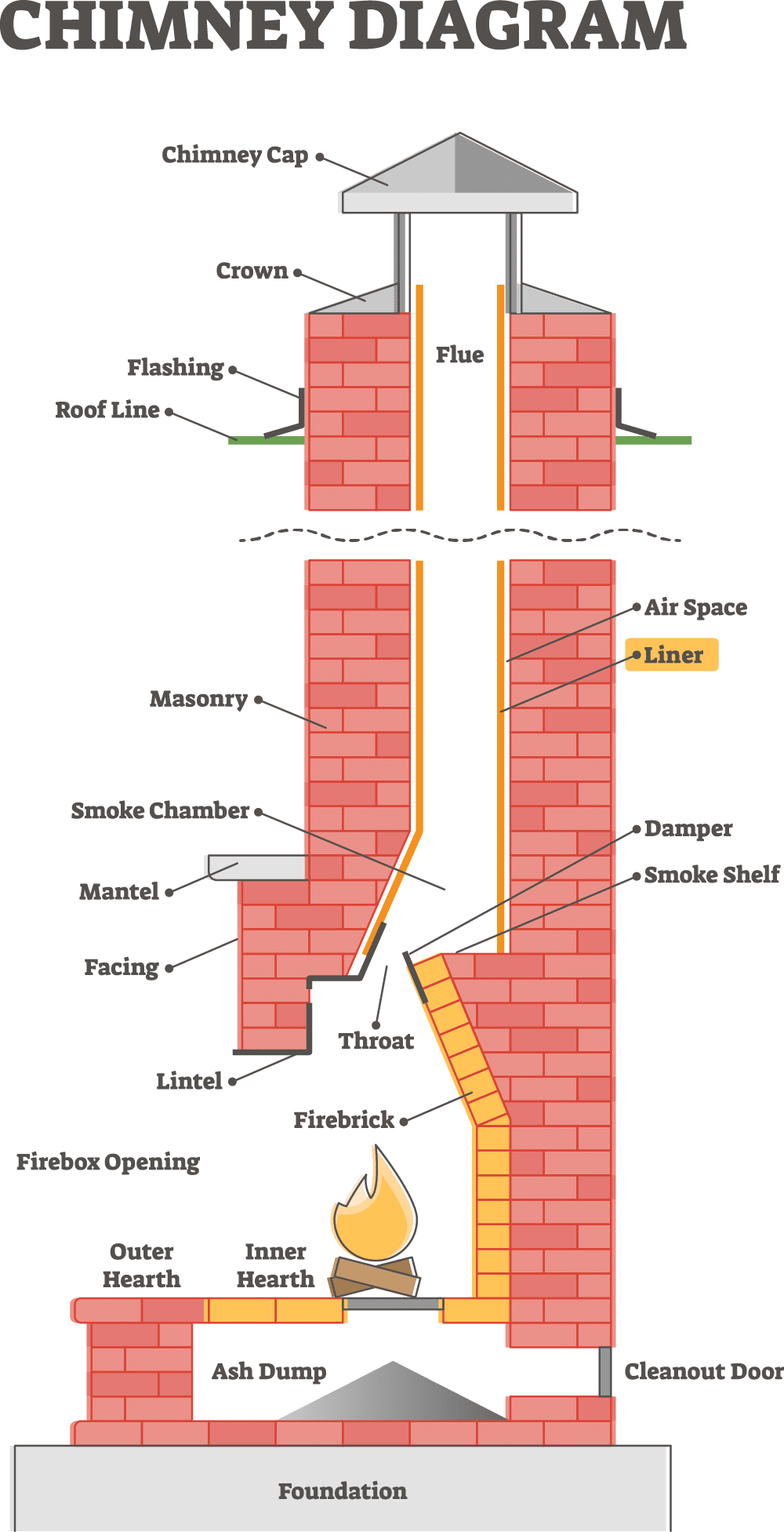
In Kansas City’s climate, where December 2025 is expected to bring prolonged cold spells and heavy snowfall, chimney liners face extra challenges. The region’s freeze-thaw cycles can exacerbate wear, while high humidity from melting snow adds moisture that corrodes materials. Full Service Chimney often recommends stainless steel chimney liners for their superior durability in such conditions—they resist rust and thermal shock better than older clay options, making them ideal for homes with frequent wood-burning or gas fireplaces.
Beyond immediate safety, liners contribute to your home’s long-term value. A deteriorating liner can lead to costly masonry repairs if acids and heat erode the chimney structure. Homeowners who invest in regular checks often find that a simple liner upgrade enhances energy efficiency, potentially lowering heating bills during those sub-zero nights. If your chimney was built before modern codes (common in many Kansas City historic districts), it might lack an adequate liner altogether, increasing risks during heavy winter use. Understanding this foundation helps you appreciate why monitoring for chimney liner deterioration is a smart habit for any homeowner.
Common Causes of Chimney Liner Deterioration
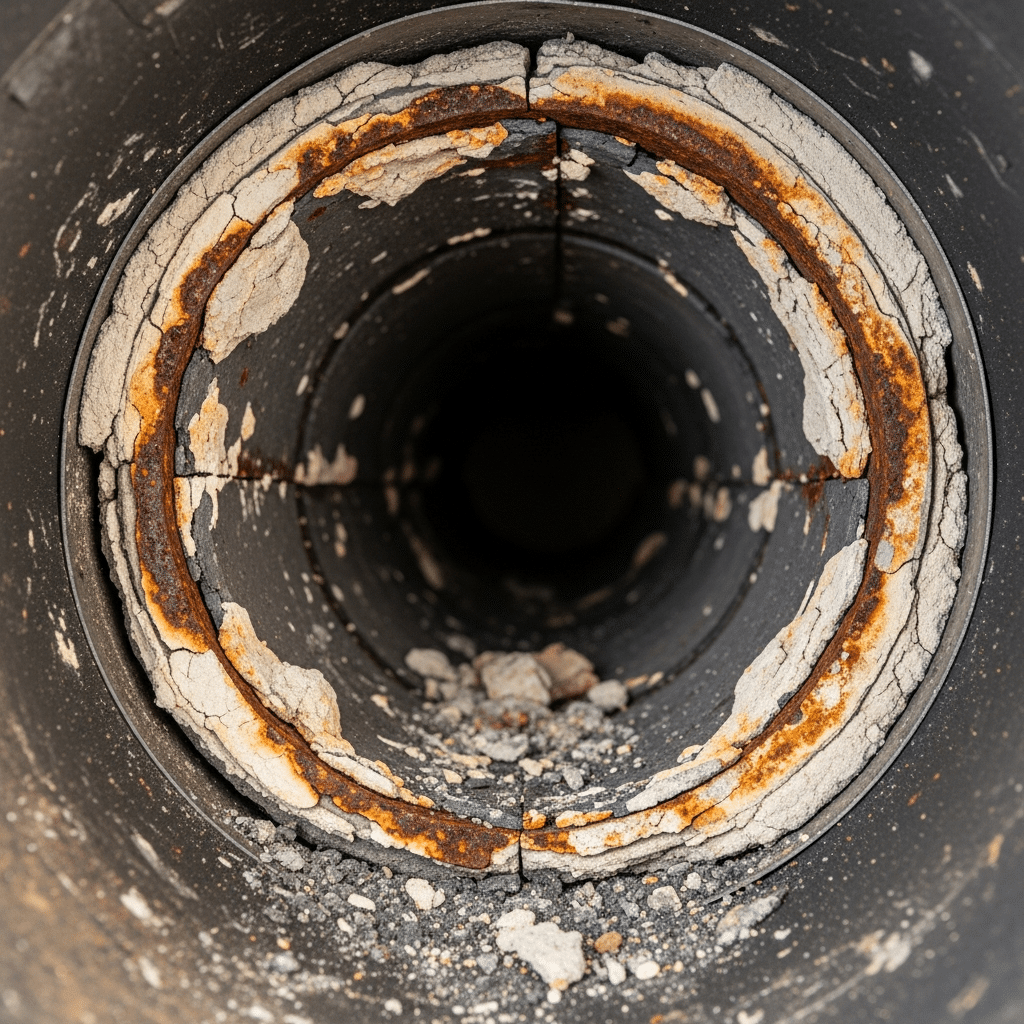
Chimney liner deterioration often stems from a mix of environmental factors, usage patterns, and age-related wear—issues that become more pronounced in mid-winter. By knowing these causes, you can take steps to minimize risks and extend your system’s lifespan.
Thermal stress tops the list. Every time you light a fire, the liner heats up rapidly, then cools down just as quickly when the flames die out. In Kansas City, mid-winter temperature swings—think daytime thaws followed by nighttime freezes in December 2025—amplify this expansion and contraction. Clay tile liners are especially susceptible, developing hairline cracks that widen over time. Metal liners aren’t immune either; repeated cycles can cause warping or fatigue.
Moisture invasion is another frequent offender. Rain, snow, and even condensation from combustion gases introduce water into the chimney. In our area’s humid winters, this moisture freezes and expands, cracking liners and promoting corrosion. If your chimney crown (the top protective layer) is damaged, water seeps in more easily, accelerating deterioration. Homeowners in flood-prone spots near the Missouri River might notice this more acutely, as excess groundwater adds to the problem.
Creosote and soot accumulation play a sneaky role too. When wood burns inefficiently—perhaps due to damp logs or poor airflow—residue builds up inside the liner. This acidic layer eats away at materials, weakening them over months or years. Gas fireplaces aren’t exempt; improper venting can lead to similar corrosive buildup. Full Service Chimney’s certified sweeps often find that infrequent cleanings exacerbate this in homes with heavy winter usage.
Age and installation flaws contribute significantly. Older Kansas City homes, built in the early 20th century, may have outdated liners that don’t meet today’s standards. Poor initial installation, like mismatched liner sizes or inadequate sealing, sets the stage for early failure. External factors, such as wildlife (birds or rodents nesting and blocking passages) or structural settling from soil shifts, can also compromise integrity.
Industry insights from organizations like the Chimney Safety Institute of America indicate that up to 70% of chimney-related incidents tie back to liner issues, with winter months seeing spikes due to increased demand. By addressing these causes through professional services like those offered by Full Service Chimney, homeowners can prevent minor wear from turning into major headaches.
Key Signs of Liner Deterioration to Watch For
As a homeowner, you don’t need specialized tools to spot potential problems—many signs of chimney liner deterioration are noticeable during everyday use or simple visual checks. Here’s a breakdown of the most common indicators, prioritized from subtle to severe:
Exterior Visual Clues
Inspect the outside of your chimney for cracks in the masonry, loose bricks, or white, powdery stains known as efflorescence. These often signal internal liner damage where moisture is escaping and eroding the structure.
Smoke and Odor Issues
If smoke puffs back into your room instead of rising smoothly, or you detect a strong, tar-like creosote smell, the liner might be blocked or cracked. This is especially common during mid-winter fires when draft is crucial.
Debris in the Firebox
Finding rust flakes, tile shards, or excessive soot at the base of your fireplace is a direct sign of liner breakdown. Sweep it up carefully, but don’t ignore it—it’s debris from deteriorating materials.
Performance and Efficiency Drops
Notice your fire struggling to start, burning weakly, or requiring more fuel than usual? Uneven heating or cold spots in the room could indicate liner restrictions affecting airflow.
Safety Warnings
Carbon monoxide alarms triggering, unusual noises (like cracking sounds during use), or visible soot stains on walls near the chimney are red flags. These demand immediate attention to avoid health hazards.
In Kansas City’s mid-winter conditions, these signs can escalate quickly due to constant heating. For example, a small crack might widen from freeze-thaw action, turning a minor issue into an emergency. Full Service Chimney advises checking these during routine cleanings to catch problems early.
The Urgency of Addressing Issues in Mid-Winter
Mid-winter in Kansas City, with its relentless cold and potential for ice storms in December 2025, is no time to procrastinate on chimney maintenance. Deteriorated liners under heavy load can lead to cascading problems, from health risks to property damage.
Ignoring signs increases the chance of carbon monoxide buildup, a silent threat that sickens families every winter. Structural issues, like water leaks through cracks, can cause mold growth or foundation weakening, leading to thousands in repairs. Chimney fires, fueled by creosote through damaged liners, spike in cold months when fireplaces run nonstop.
Financially, delays hit hard—emergency fixes cost more than scheduled ones. Full Service Chimney emphasizes that acting now prevents these escalations, ensuring your home stays safe and warm.
Practical steps for homeowners:
- Gather records: Share past inspection reports or fireplace details.
- Observe symptoms: Note smoke issues, leaks, or noises that could indicate problems.
- Plan for follow-up: Budget for minor repairs to complete the job promptly.
This preparation ensures your inspection is efficient and reveals actionable insights.
When and How to Seek Professional Attention
Spotted a sign? Reach out to experts immediately. Start with a Level II chimney inspection in Kansas City, using cameras to examine the liner without disruption.
Options include relining with stainless steel for lasting protection or repairs for minor damage. Full Service Chimney provides tailored solutions, from sweeps to installations, all code-compliant for our local climate