
A recent KMBC 9 News report highlights a serious carbon monoxide leak in Northeast Kansas City that sent multiple family members to the hospital.
According to fire officials, the incident was caused by a cracked chimney flue, which trapped exhaust gases inside the home instead of safely venting them outdoors. Carbon monoxide levels inside the house measured 600–650 parts per million, far exceeding the safe level of under 9 ppm and high enough to be fatal.
Six people were affected, including a 12-year-old child. One woman was found unconscious. Thankfully, all victims survived, and most have now been released from the hospital. It appears the home did not have a carbon monoxide detector.
👉 Watch the full KMBC 9 News report below.
Why Chimney Flue Damage Is So Dangerous
Chimney flues are designed to safely remove combustion gases from fireplaces, furnaces, and other fuel-burning appliances. When a flue cracks or starts to deteriorate, it can allow carbon monoxide to leak into a home’s living spaces, without warning.
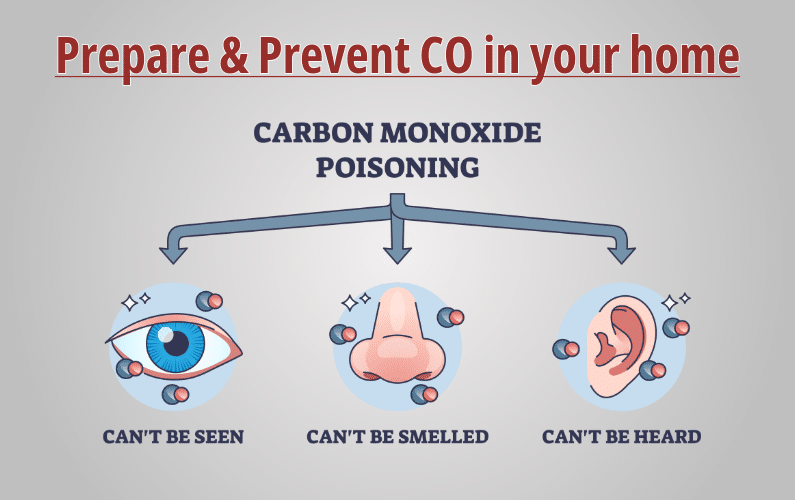
Carbon monoxide is undetectable to human senses, meaning your eyes, ears, and nose cannot detect it at all. Believe it or not, CO can even pass through walls.
Carbon monoxide is:
- Invisible
- Colorless
- Odorless
- Tasteless
Common symptoms of carbon monoxide poisoning include headaches, dizziness, nausea, confusion, and sudden fatigue. No one is immune to these symptoms. If multiple people in the home begin experiencing these common signs of CO exposure, leave the home immediately and have it checked by local authorities before returning inside.
Whether plug-in and/or battery-operated, remember to regularly test your CO detectors and have your fireplaces and gas chimneys checked annually.
Prevent Carbon Monoxide Poisoning from Your Fireplace & Chimney
While chimneys and fireplaces are not the only source of CO, this local incident underscores the importance of getting regular chimney inspections to help you:
- Identify cracked flue tiles and/or failing chimney flue liners
- Ensure your gas and/or wood-burning appliances are venting properly
- Verify that the caps on your gas fireplace chimney—which have an open-and-shut feature—can open properly so toxins (like CO) can exit the flue as intended
- Identify unseen obstructions caused by nature, such as animals or fallen debris
- Catch chimney blockages that homeowners typically cannot see without roof access or a clear view inside the flue.
Below are a few photos as documented by Certified Full Service Chimney Inspectors. These are shown as examples to reference common chimney obstructions, and are unrelated to the news story. Click on example images to enlarge on desktop:
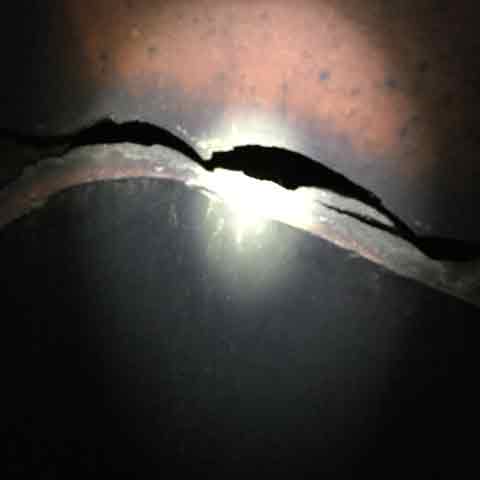
Image shows a large cracked flue tile inside a chimney that allows CO to enter home when a chimney is used.
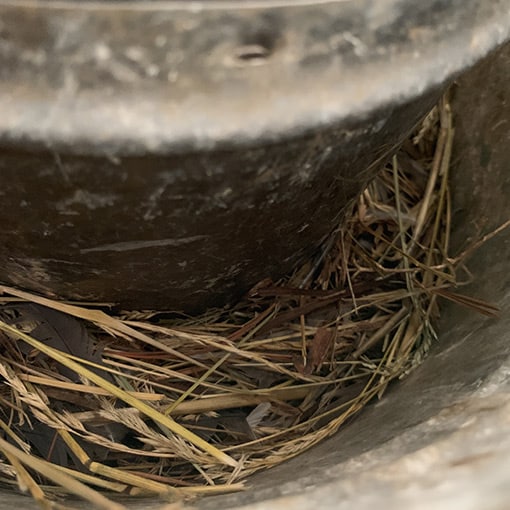
Image shows natural debris from birds nesting inside a chimney which poses both a fire and a carbon monoxide hazard.
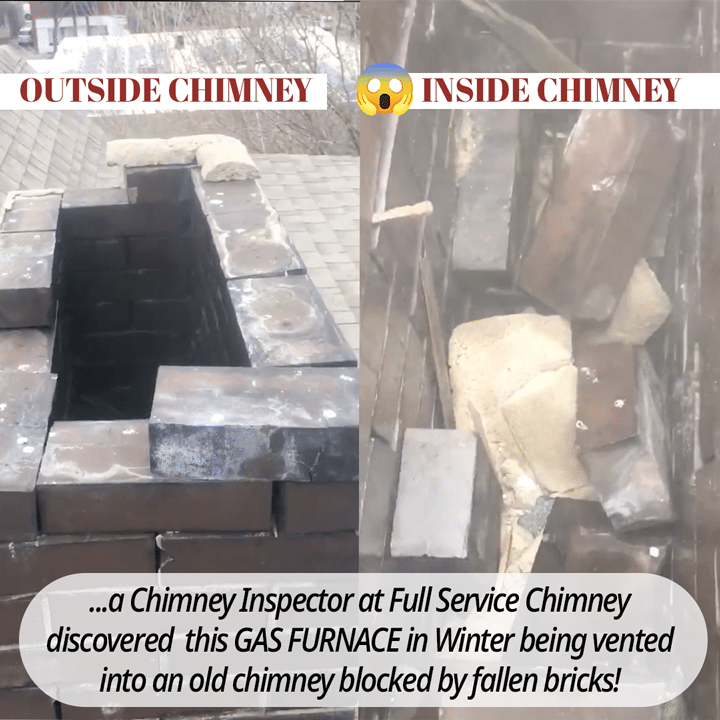
Image shows 2 side-by-side screenshots from a video showing how bricks had fallen inside a chimney that was actively venting a gas furnace! A potentially very dangerous situation, luckily our certified inspector caught it in time.
The Kansas City residents had no idea because this is not something anyone can see from inside the home or even from the ground outside.
*Watch the inspectors video on Full Service Chimney’s Official YouTube Channel.
Final Thoughts
Don’t forget to install carbon monoxide detectors on every level of the home. CO detectors are a critical part of your home safety plan, but they should be viewed as a backup—not a replacement—for proper chimney maintenance by certified professionals.
We’re grateful this family is recovering and share this story to help raise awareness and help prevent future carbon monoxide emergencies in Kansas City homes and to the homes of anyone who may be reading. To the family, we wish you a full and healthy return home.
Protect your home from carbon monoxide— click here to watch videos and get safety tips.
Carbon monoxide can quietly build up in homes without obvious signs. Learn how to identify common sources, including fireplaces and household appliances, recognize early symptoms of exposure, detect potential hazards, and take practical steps—like installing and maintaining CO detectors—to keep your home safe. Watch videos and get expert tips for protecting your household.